

In the heart of our city Karachi a deeply troubling pattern is unfolding. Buildings officially declared non-suitable for residence are still being occupied, sometimes simply “rescued” with a fresh coat of paint and some new cement. The reality? This is a dangerous practice, and one that risks far more than aesthetics.
The Alarming Numbers
| The Sindh Building Control Authority (SBCA) has identified 578 unsafe buildings in Karachi. In one recent operation, 456 of these were located in District South. |
| A five-storey residential building collapsed in Lyari’s Baghdadi neighborhood, killing at least 27 people. Authorities said the building had been declared unsafe and eviction notices were sent between 2022–2024. |
| Editorial commentary describes the event as a wake-up call highlighting deep institutional failures in Karachi’s building safety and regulatory enforcement. |
These incidents show that simply issuing orders isn’t enough and superficial “fixes” won’t prevent tragedy.
Why “Just Painting” Is Not Enough
When a building is declared unsafe for habitation, it typically means the structure foundation, load-bearing walls, beams, or overall stability is compromised. Painting and minor cement works might improve appearance, but they do not address the root problems. Consider:
| Structural damage | Cracks in load-bearing walls, shifting foundations or corrosion in reinforcement cannot be fixed by plaster or paint. |
| Illegal modifications | Many buildings have added floors or changed usage without proper engineering checks and approvals. These extra loads destabilize the structure. Editorials reveal that illegal additions contributed to recent collapses. |
| Materials & maintenance | Poor materials, sub-standard construction, ageing infrastructure. Many of the declared “unsafe” buildings are old and neglected |
| Evacuation orders ignored | A building may have a formal evacuation notice but residents stay because they have nowhere else to go, or because the builder keeps insisting it’s fine. For example, in the Lyari case, residents were still living despite notices. |
In short: Cosmetic fixes = false sense of safety. The risk remains.
Here are specific cases to highlight how this plays out:
Case: Lyari Building Collapse
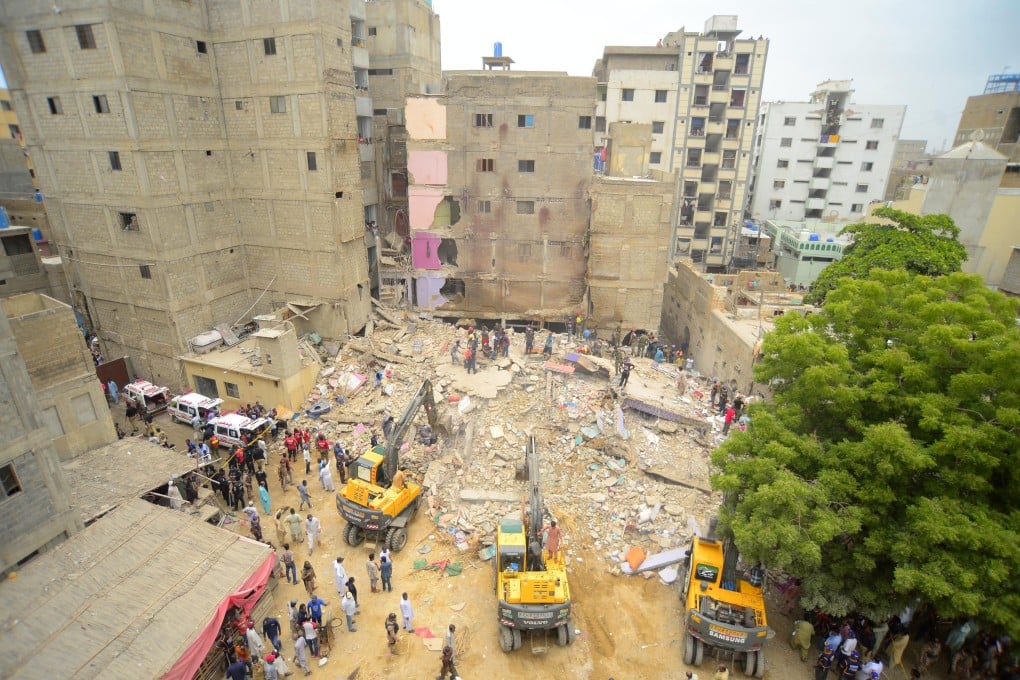
A five-storey residential structure collapsed in Karachi’s Lyari district in early July 2025, killing 27 people. Arab News+1
Authorities confirm the building was declared unsafe, and had been issued evacuation notices between 2022 and 2024 yet it remained occupied. After the tragedy, it emerged that neighboring buildings were also flagged dangerous and evacuated.
This is a stark real example of ‘unsafe declared but still lived in’.
Case: Agra Taj, Lyari – Cracks and Evacuation Resistance
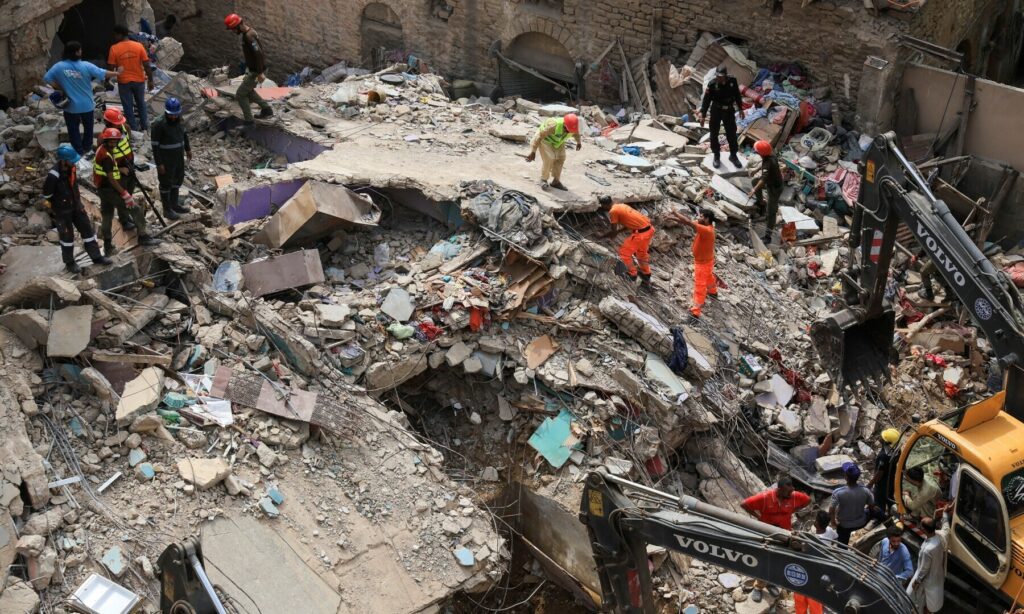
On July 6 2025, a multi-storey residential building in Lyari’s Agra Tag area was officially declared “unsafe” after visible cracks appeared. Residents initially resisted evacuation, saying “we do not feel any danger” and asking: “where were the institutions when the building was being constructed?” Police registered a case against the builder and contractor, suggesting accountability is being sought but only after visible danger.
This example shows how unsafe buildings may survive via minimal work (paint/cement) or ignorance until a crisis.
The Real Risks
| Loss of life | The most tragic consequence. Families, children, entire households wiped out when a building collapses. |
| Community disruption | Evacuations or collapses displace families, destroy neighborhood stability, and force emergency relocation. |
| Legal & financial liability | Builders, contractors, government regulators can face criminal charges or massive cost burdens when things go wrong. |
| False sense of security | Occupants may believe “we made some repairs, we are fine,” when structural danger remains. |
What Should Happen Instead
Here are key steps that must be taken by authorities, builders, owners, and residents:
| I | Firm Enforcement of Evacuation Orders If a building is declared unsafe, it should be vacated not allowed to be occupied under minimal repairs. |
| II | Mandatory Structural Engineering Reports After evacuation, a full structural assessment should be carried out results publicly shared. |
| III | Transparent Documentation of Repairs & Modifications If repairs or retrofits happen, they must be approved, documented, certified not just painted over and re-occupied. |
| IV | Support for Displaced Residents People asked to evacuate often have nowhere else to go alternative housing, rent subsidies or relocation support must be provided. |
| V | Public Awareness & Resident Vigilance Residents should know that a fresh coat of paint does not guarantee safety. Signs like horizontal cracks, bulging walls, unusual sinking/floors matter. |
| VI | Accountability & Punishment for Negligence Builders/contractors who ignore safety, or regulators who fail to act, must face consequences. The Lyari collapse inquiries show this must happen. |
A Call to All Stakeholders
| I | Residents | If your building has been given a vacate notice, or you see serious structural damage treat it as urgent. Don’t rely on cosmetic fixes. |
| II | Builders/Owners | Responsible construction and maintenance isn’t optional. Shortcuts or façade-only repairs can lead to disaster. |
| III | Regulators & Government | Your job is not over when evacuation orders are issued follow-through, monitoring, and prevention matter. |
| IV | Civil Society & Media | Keep pressure on unsafe buildings and ensure transparency the public deserves safe homes. |
Closing Thought
Karachi is growing fast. Buildings are crammed in, old ones are neglected, new ones sprout up. But growth is not a substitute for safety. A fresh coat of paint might make a building look safe but what matters is whether it is safe.
When a building is declared non-suitable for residence, the only acceptable “repair” is ensuring it either becomes truly safe through full structural rehabilitation or remains vacated until it is.
Let’s not gamble with lives. For every “just cement and paint,” there may lie a hidden fracture, a sinking floor, a load-bearing wall ready to give way.