

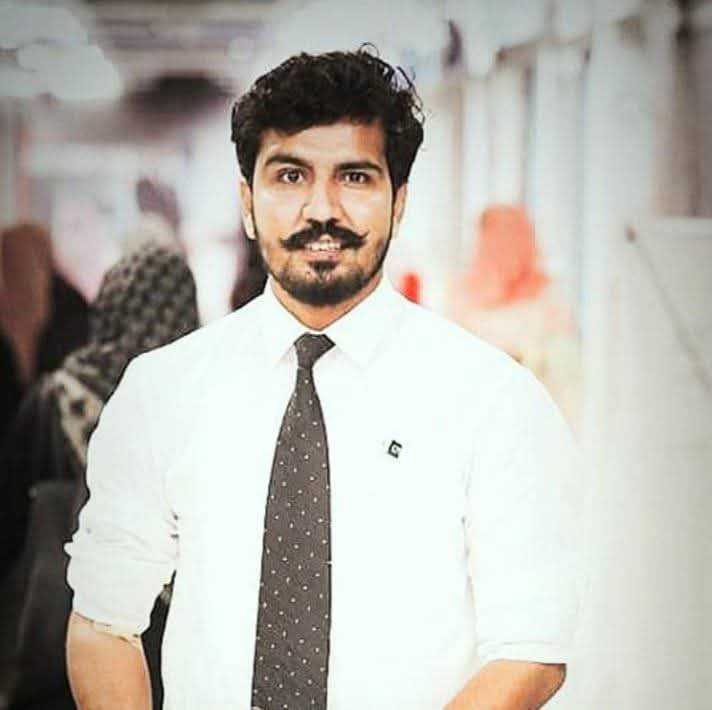
By Ali Sohaib | Emergency Response & Disaster Risk Specialist
Karachi is a city of strength, yet it remains deeply vulnerable when disaster strikes. Among its 20.4 million people, those who suffer the most during urban crises are often the least visible: differently-abled persons, women in informal settlements, and marginalized households living on the edges of flood-prone nullahs and encroached lands.
Impact of Disasters on Differently-Abled Persons & Women in Urban Slums
In katchi abadis such as Orangi Town, Lyari, Machar Colony, and Malir, disaster is not a surprise; it is a routine. When floods or heatwaves hit, evacuation becomes nearly impossible for those who cannot walk, hear emergency warnings, or access medical support. Differently-abled persons are frequently left behind, not out of neglect, but due to a system that never planned for them.
Women face another layer of vulnerability. During flood emergencies, they struggle to find safe, private spaces for menstrual hygiene, childcare, and basic dignity. In heatwaves, they carry the burden of securing water for families while risking dehydration and sunstroke. When the city shuts down, it is women who continue to walk miles for ration, medicine, and survival.
Lack of Safe Shelters & Accessible Evacuation Plans
Karachi has no fully accessible public shelter system designed for vulnerable populations. Most relief camps are temporary tents without ramps, privacy partitions, or medical units. Sirens may sound, but where should they go? How should they reach?
Karachi’s evacuation plans are often written on paper, but never tested on the ground.
Disaster communication too remains urban-centric. SMS alerts and media advisories never reach a deaf mother in Lyari or a wheelchair user in Surjani. Our warnings are loud, but not inclusive.
Role of NGOs in Inclusive Disaster Response
This is where NGOs must evolve. The future of disaster management is inclusive humanitarian action, not general relief.
Organizations must:
| Map vulnerable households before disaster, not after. |
| Provide dignified shelters with privacy spaces for women and ramps for the differently-abled. |
| Train local women and youth in first aid, psychological support, and community warning systems. |
| Create disability-friendly evacuation drills with real-time practice. |
I believe rescue is not just physical, it is social.
I think we should ensure that no person is unseen during a crisis.
Whether flood, fire, or heatwave, response must begin with the most vulnerable.